

The creation of a piece of jewellery often begins with a seemingly simple question: What does the designer want people to see?
Is it the brilliance of the gemstone itself, or an unprecedented form? Is it a response to nature, culture and history, or an observation of contemporary ways of life? From the initial inspiration to the finished piece, every decision shapes the character of the work and determines how it will be seen, worn and remembered.
Jewellery design is not simply about creating an outward form for precious materials. It is a process of translating concepts into tangible objects. Designers must constantly balance creativity with practical considerations: understanding the properties of gemstones and metals, mastering proportion and structure, assessing the feasibility of craftsmanship and techniques, while also considering the relationship between the jewellery, the human body and the wearing experience. The value of design is gradually formed through these choices and constraints.
Design: Finding the Right Language for Materials
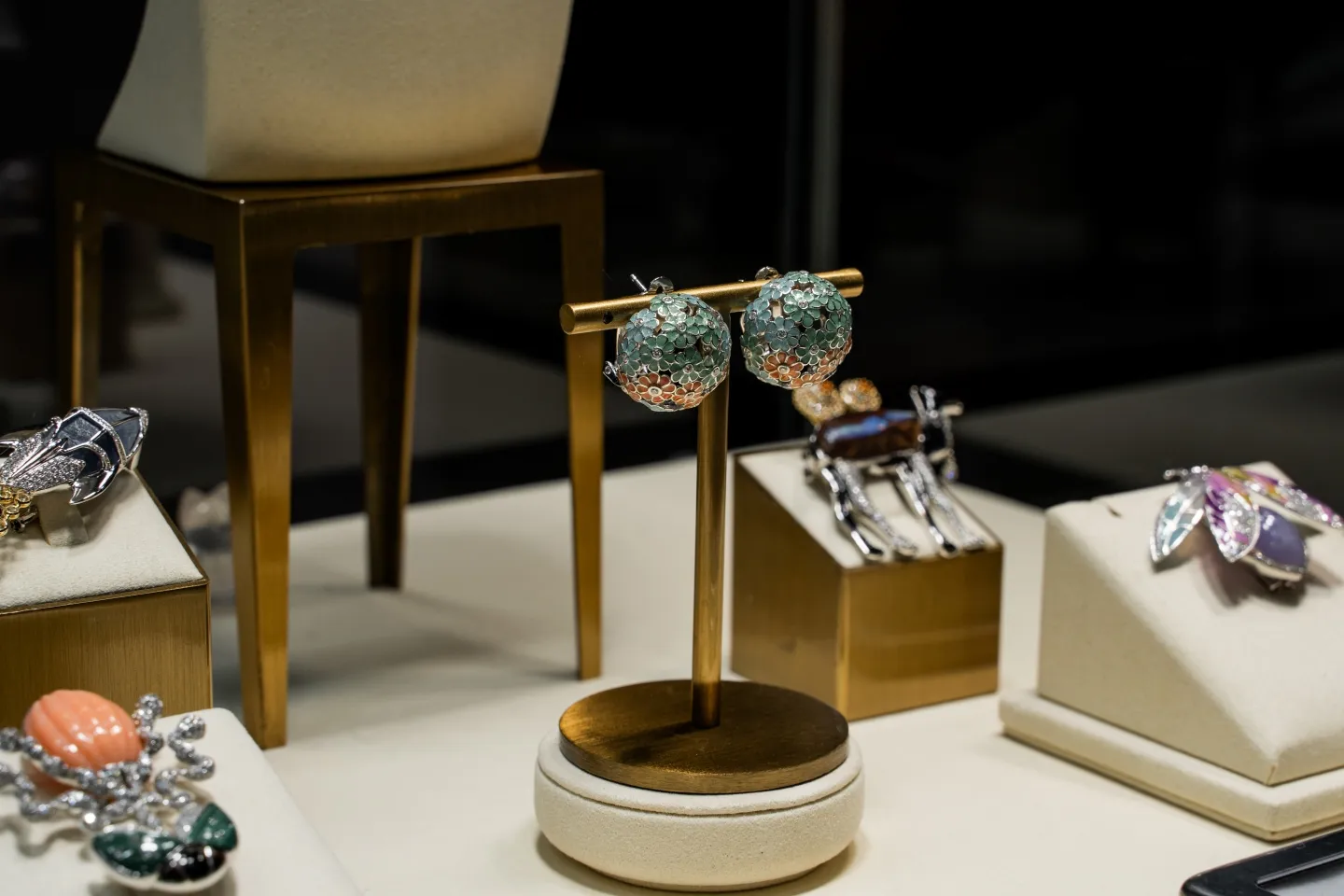
Every material possesses its own characteristics, which in turn define the possibilities available to the designer. The colour, transparency, cut and inclusions of a gemstone, the malleability and texture of precious metals, and even the relationship between different materials can all serve as starting points for design. Exceptional design does not treat materials as passive elements, but seeks to understand their inherent qualities and reveal their potential beauty through form.
A subtle adjustment in proportion or a different approach to setting can alter the relationship between a gemstone and light, ultimately transforming the visual expression of the entire piece. Design is not about imposing an idea upon a material, but about finding the most appropriate form of expression through a dialogue between the creator and the material.

From Form to Structure: Design Must Respond to the Human Body
Unlike other forms of art, jewellery is ultimately created to be worn on the human body. The body is not merely a backdrop for jewellery; it is an integral part of the design itself.
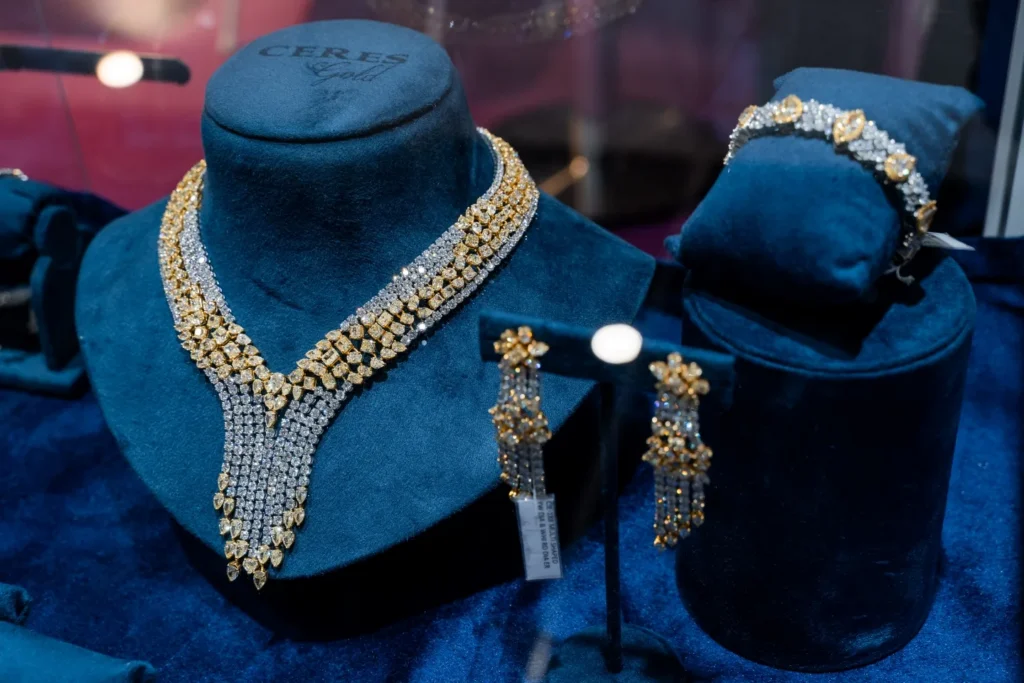
How a ring conforms to the finger, how a pair of earrings moves naturally with the body, or how a necklace falls across the neck and collarbone—these seemingly technical considerations are closely connected to aesthetics. Proportion, weight, balance and movement not only influence wearing comfort, but also determine how a piece of jewellery is experienced and perceived on the body. Mature jewellery design therefore goes beyond visual appeal. It must also consider weight, balance, comfort and the practical requirements of wearability. When form and function are seamlessly integrated, jewellery can truly become an art form that exists within everyday life.
Beyond Trends: Establishing a Distinctive Design Language
Design is shaped by its time, but it does not have to follow trends. As cultures, aesthetics and technologies increasingly intersect, designers have more creative possibilities, but also face greater challenges in developing an original voice. The goal is not simply to follow what comes next, but to establish a distinctive design language rooted in personal observation and experience.
Such a language develops over time through an understanding of nature, materials, culture and everyday life. When these experiences are translated into jewellery, design becomes an expression of the designer’s perspective—allowing the work to move beyond fleeting trends and achieve a more enduring and recognisable aesthetic.

When Design Meets the Market
The vitality of jewellery design is brought to life through opportunities for exhibition and exchange, allowing different approaches to materials, craftsmanship and aesthetics to be seen and appreciated. Jewellery fairs are not only showcases of precious materials and fine craftsmanship, but also important platforms for creative exchange, dialogue and industry development.
The 2026 Taiwan Jewellery & Gem Fair will present a curated selection of works by designers and brands, showcasing diverse creative concepts, material applications and craftsmanship—from classic aesthetics to contemporary innovation. The fair also provides designers with a platform to showcase their work, exchange ideas and connect with industry professionals and buyers, creating greater opportunities for their designs to be discovered.
The enduring appeal of jewellery lies not in remaining unchanged, but in its ability to continue inspiring people to look, understand and cherish. When creativity, materials and craftsmanship come together, jewellery becomes more than an ornament—it becomes an art form capable of transcending time and continuing to connect with people.

Note: This article references insights from the feature article “Jewellery Design Principles – Jewellery Transformation” published by our media partner, Jewelry World, and has been edited and adapted by the Taiwan Jewellery & Gem Fair editorial team. https://jewelryworld.com.tw/jw-95-jewelry-design-principle/
Original Author: Lu Chun-Hsiung, Jewellery Institute of Taiwan